Your RL Recordings Wake-Up Call: The Essential Guide for 2026 Artists

Understanding RL Recordings: The Basics
In the rapidly evolving landscape of the music industry, understanding the role and function of music labels like RL Recordings is essential for aspiring artists. Music labels serve as a bridge between musicians and the consumer market, providing resources and platforms necessary for artists to thrive. RL Recordings not only helps artists distribute their music but also offers comprehensive support in marketing, production, and artist development. When exploring options, RL Recordings provides comprehensive insights into navigating these challenges.
What is RL Recordings?
RL Recordings is an independent music label known for its commitment to supporting emerging and established artists alike. It focuses on various genres, offering artists a platform to release their music and connect with audiences. The label prides itself on providing personalized services tailored to meet the unique needs of each artist, ensuring that their creative vision is realized while maintaining commercial viability.
The Role of Music Labels in Artist Development
Understanding the multifaceted roles that music labels play is crucial for any artist looking to succeed in the competitive music landscape. From acquiring talent to nurturing artistic development, labels like RL Recordings provide invaluable support. They often help artists refine their sound, connect with producers, and secure promotional opportunities. Additionally, labels handle legal aspects, licensing, and distribution, allowing artists to focus on their craft. This support can be crucial, especially for independent artists who may not have access to these resources otherwise.
Key Features of RL Recordings’ Offerings
- Music Distribution: RL Recordings facilitates the distribution of music across various digital platforms, ensuring that artists reach a broad audience.
- Marketing Support: The label provides marketing strategies tailored to each artist, enhancing visibility and engagement with fans.
- Artist Development: Through workshops and mentorship programs, RL Recordings aids artists in honing their skills and career trajectories.
- Technical Assistance: Offering state-of-the-art production facilities and expertise, the label ensures high-quality recordings and performances.
Challenges Facing Independent Artists in 2026
As the music industry landscape continues to evolve, independent artists face a unique set of challenges that can hinder their progress and success. Understanding these challenges is crucial for developing effective strategies to overcome them.
Struggles with Music Distribution
One of the most significant barriers independent artists face is effective music distribution. With the explosive growth of digital platforms, navigating the complex landscape of streaming services and online sales can be daunting. Artists must contend with various distribution agreements, royalty structures, and ever-changing algorithms that influence visibility. Ensuring that their music is not only published but also heard requires a strategic approach to distribution.
Marketing in a Saturated Market
The music industry is more saturated than ever, making it increasingly challenging for independent artists to stand out. With millions of songs being released annually, developing a unique brand identity and marketing strategy is critical. Artists must engage their audience effectively across social media, leverage public relations, and utilize various marketing channels while staying true to their artistic vision. This requires a disciplined approach and often a financial investment that many independent artists may struggle to afford.
Technical Barriers for New Artists
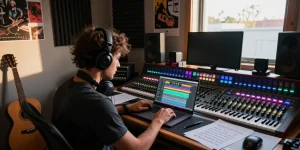
Technical barriers can impede new artists from fully realizing their potential. Whether it’s limited access to high-quality recording equipment, software, or production facilities, many aspiring musicians find themselves at a disadvantage. Additionally, mastering the technical aspects of digital music distribution and marketing can be overwhelming without adequate support. It is essential for new artists to either seek guidance or invest time in learning these skills to thrive.
Best Practices for Uploading to RL Recordings
For artists looking to submit their music to RL Recordings, understanding best practices can significantly enhance their chances of success. It’s not just about having great music; it’s also about how you prepare your submission.
Preparing Your Music for Submission
Before submitting music to RL Recordings, artists should ensure that their tracks are polished and ready for professional review. This includes recording in a quality studio, mastering tracks appropriately, and ensuring that the music aligns with the label’s ethos and branding. Providing a well-packaged submission with a clear narrative about the artist and the music can make a strong impression.
Importance of Accurate Metadata
Accurate metadata is vital for the successful distribution of music. This includes the correct spelling of artist names, song titles, and genre classifications. Ensuring all metadata is accurate not only enhances searchability but also helps avoid issues with royalties and licensing down the line. Artists should double-check this information before submission to avoid any unnecessary complications.
Optimizing Your Music for Sales
To optimize music for sales, artists should consider how their music is presented on digital platforms. Utilizing compelling cover art, engaging descriptions, and thoughtful categorization can enhance the overall appeal. Additionally, offering samples or previews can entice potential buyers, increasing the likelihood of sales. Artists should also consider pricing strategies that reflect the current market while remaining competitive.
Leveraging Social Media for Success
In the digital age, social media is a powerful tool for music promotion. Successfully leveraging these platforms can elevate an artist’s brand and fan engagement.
Building Your Brand on Social Media Platforms
Creating a cohesive brand on social media involves more than just posting content; it requires an understanding of the target audience and crafting messages that resonate with them. Artists should maintain a consistent visual and verbal identity across their profiles, ensuring that their personality shines through. Engaging with fans through behind-the-scenes content, live Q&As, and personal stories can foster a deeper connection.
Engagement Strategies for Music Artists
Engagement is key to building a loyal fan base. Artists should actively respond to comments, create interactive content (like polls and challenges), and collaborate with other artists and influencers. Utilizing live streaming for performances or Q&A sessions can also significantly boost engagement. Building relationships with followers not only enhances loyalty but can also lead to organic growth through word-of-mouth marketing.
Cross-Promotion with RL Recordings
Artists signed to RL Recordings can benefit from cross-promotion opportunities within the label’s existing network. Collaborating with other artists under the label or participating in label-sponsored events can increase visibility. The label often has established marketing channels that can help amplify an artist’s reach, making effective use of their resources crucial for success.
Future Trends in the Music Industry
Staying ahead of trends is essential for any artist. As the music industry continues to evolve, several trends are becoming increasingly prominent.
Emerging Technologies Shaping Music Production
Emerging technologies, such as artificial intelligence and virtual reality, are beginning to reshape how music is produced and consumed. AI tools can assist with music composition, mixing, and mastering, providing artists with more creative options and efficiency. Virtual reality is creating immersive concert experiences, offering fans unique ways to engage with their favorite artists.
The Rise of Virtual Concerts and Streaming
The trend toward virtual concerts is accelerating, especially in a post-pandemic world. Artists are finding new ways to connect with fans through live-streamed performances, online festivals, and interactive experiences. This shift not only expands the audience reach but also creates new revenue streams that were previously unavailable.
Predictions for Music Consumption by 2026
By 2026, it is expected that music consumption will continue to lean heavily toward streaming services, with physical sales diminishing. Subscription-based models will likely prevail, offering personalized listening experiences through algorithms that curate music preferences. Furthermore, artists may increasingly turn to direct-to-fan sales models, utilizing platforms that allow them to retain more of their earnings.